
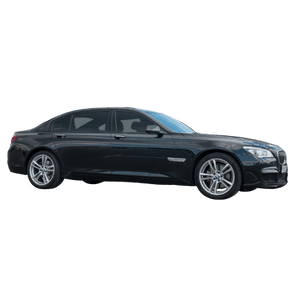
Where we ship in Canada comes down to one simple answer: everywhere, door-to-door, from coast to coast. We move cars, RVs, boats, and heavy equipment between every province and territory — Canada only, with no cross-border legs into the United States. If your pickup and delivery addresses are both in Canada, there's a good chance we already run that lane.
Shipping Coverage Across Canada
Red Foot Haulers arranges domestic transport only — door-to-door within Canada, from the Pacific coast to Atlantic Canada, with routes reaching into the territories where road access allows. We do not ship to or from the United States. Coverage spans four verticals, each with its own hub page covering methods, timelines, and prep:
- Car shipping Canada — sedans, SUVs, trucks, and multi-vehicle moves on open or enclosed carriers
- RV shipping — motorhomes, travel trailers, fifth wheels, and toy haulers
- Boat shipping and transport — powerboats, sailboats, pontoons, and trailer-based hauls
- Heavy equipment shipping and transport — excavators, skid steers, tractors, and construction machinery
Every move works the same way at a high level: you tell us the two addresses and what you're shipping, we quote the lane, and a carrier handles pickup and delivery. To see numbers for your specific route, the fastest path is our quote form — a couple of minutes gets a real lane-specific answer back, not a generic estimate.
We keep coverage domestic for a simple reason: staying inside one country means one regulatory framework, no customs brokers, no border wait times, and no import paperwork between you and your delivery date. That focus lets us build tighter carrier relationships on Canadian lanes and give you a more honest transit window than an operator juggling international freight could. Whether you're relocating across three provinces or moving a single vehicle two towns over, the process and the promise stay the same.
Provinces We Serve
We run domestic freight into all ten provinces and the three territories. Some northern and remote points require a meeting location rather than a driveway pickup, simply because long-haul carriers need highway-grade roads to operate safely and on schedule — we flag this during quoting rather than promise an address we can't reach.
| Region | Provinces / Territories | Typical Access Notes |
|---|---|---|
| West Coast | British Columbia | Island and coastal addresses may need a ferry-connected meeting point |
| Prairies | Alberta, Saskatchewan, Manitoba | Widely open highway access; rural addresses may meet near the nearest town |
| Central Canada | Ontario, Quebec | Dense urban cores sometimes require an arterial meeting spot |
| Atlantic Canada | New Brunswick, Nova Scotia, Prince Edward Island, Newfoundland and Labrador | Ferry crossings and island geography can add transit days |
| Northern Canada | Yukon, Northwest Territories, Nunavut | Road-accessible communities only; extra transit time is standard, and some points require a highway-side meeting location |
We don't publish a fixed list of every remote community we can or can't reach door-to-door, because access changes with season, road conditions, and carrier equipment. The reliable way to confirm your specific address is to send it through for a quote rather than assume based on postal code alone.
A few practical notes on how geography shapes a move. In British Columbia, the Lower Mainland, the Interior, and Vancouver Island each behave differently — Island jobs almost always involve a ferry leg, which we plan around rather than treat as an obstacle. Across the Prairies, the highway network is open and fast, so those lanes tend to quote cleanly and move on predictable timelines. Central Canada carries the heaviest volume in the country: plenty of carrier capacity, but also dense cores where a full-size transport cannot fit down every street. Atlantic Canada adds ferry-dependent legs to Newfoundland and PEI, and the North is seasonal and road-limited by nature. Knowing which bucket your addresses fall into is most of what determines your transit window.
Major City Lanes
Certain corridors run often enough that we've built dedicated pages with lane-specific detail. If your city is listed below, start there for the most relevant information; if not, the hub pages above and a direct quote still cover you.
| Cluster | Relevant Pages | Notes |
|---|---|---|
| West Coast car lanes | car shipping Vancouver | Common origin/destination for prairie and cross-country car moves |
| Prairie car lanes | car shipping Calgary, car shipping Edmonton | High-volume corridor between Alberta cities and both coasts |
| Central Canada car lanes | car shipping Montreal | Major hub for Ontario-Quebec and Atlantic-bound freight |
| Atlantic Canada | car shipping Halifax, Maritimes car shipping | Covers Nova Scotia, New Brunswick, and PEI connections, including ferry-dependent legs |
| RVs, trailers, and toy haulers | RV shipping | National coverage; larger units may have height and width considerations by route |
| Boats and marine transport | boat shipping and transport | Trailer and cradle moves nationwide, including coastal launch points |
Moving a family sedan between two of these hub cities usually returns a fast quote because we already have carrier relationships on that exact lane. Less common pairings — say, a boat from a small Ontario marina to a Saskatchewan farmyard — still get quoted; they just take a bit more scheduling on the carrier side.
A city page being listed doesn't mean we only serve that city — it means we run enough volume through it to have published lane-specific guidance. A car heading from Kelowna to Regina, or from Sherbrooke to Moncton, is handled exactly the same way without a dedicated page for those smaller centres. The city pages are simply the best starting point when your route touches a major hub, since they cover local access quirks, seasonal timing, and typical carrier mix in more depth than a coverage overview can.
What Door-to-Door Means Here
"Door-to-door" is the standard we aim for, but it comes with real-world limits worth knowing up front rather than discovering on pickup day. Multi-car carriers are long, tall, and wide — they can't always turn onto narrow residential streets, back into cul-de-sacs, or clear low parkade entrances. Boat trailers have their own length and turning-radius issues, especially in older neighbourhoods built before larger vehicles were common.
| Vertical | Common Access Constraint | Typical Resolution |
|---|---|---|
| Cars (multi-vehicle carrier) | Narrow streets, low tree canopies, tight cul-de-sacs | Meet at a nearby arterial road, parking lot, or gas station |
| Cars (enclosed single-vehicle) | Underground or low-clearance parkades | Load/unload at the parkade entrance or street level |
| RVs and trailers | Long wheelbase, tight driveway turns | Meet at a wide staging area near the property |
| Boats on trailer | Marina laneways, low bridges, tight launch access | Coordinate a marina or public lot meeting point |
| Heavy equipment | Weight limits on residential roads, jobsite access rules | Meet at the jobsite gate or a nearby commercial lot |
When a meeting point is needed, it's usually a five-to-fifteen-minute drive from the original address, and drivers coordinate the exact spot by phone before arrival — this is routine, not a sign that something has gone wrong. Island and ferry-dependent legs, common across British Columbia's coast and Atlantic Canada, add their own layer: carriers work around sailing schedules, so pickup and delivery windows on those routes tend to be a bit wider than a straight highway move.
None of this changes the destination — your vehicle still arrives at (or extremely near) both addresses. It just means the truck may not literally touch your driveway on every job, and knowing that ahead of time avoids surprises. If you already know your street is tight — a downtown condo with an underground parkade, a rural road with a seasonal weight ban, a marina with a single narrow access lane — tell us when you request a quote. It changes nothing about whether we can move you; it just lets the driver plan the meeting point in advance instead of improvising on the day. The smoothest moves are almost always the ones where access quirks get mentioned early.
How to Check Your Lane
The fastest way to find out exactly how your route works is to send us both addresses — pickup and delivery — along with what you're shipping: make and model for a car, length and type for an RV or boat, or the equipment class for anything heavier. That's enough for us to check road access, ferry dependencies, and carrier availability on your specific lane.
Start with the quote form, or call in if you'd rather talk through an unusual route, a tight access point, or a multi-stop move. Once you've booked, the shipping process page walks through what happens next — from carrier assignment through pickup, transit, and delivery — so you know what to expect at each stage.
For general questions beyond this coverage page, our shipping FAQs page covers pricing factors, timing, and paperwork in more depth. Between the quote form, the process walkthrough, and the FAQ, most people have every answer they need before they ever pick up the phone — but the phone is always there if your move has a wrinkle a form can't capture.
Frequently Asked Questions
Do you ship to every province in Canada?
Yes — we arrange door-to-door transport within Canada, including the territories where access allows. Remote addresses sometimes meet the carrier at a nearby highway-capable location.
Do you ship to or from the United States?
No. Red Foot Haulers is Canada-only. Cross-border moves involve customs and import processes we do not handle.
Can you pick up in a residential neighbourhood?
Often yes. If the street or parkade cannot fit the truck, the driver arranges a short meet at a nearby arterial or lot — common and not a service failure.
What types of vehicles do you ship?
Cars, RVs and trailers, boats, and heavy equipment. Each vertical has its own guide with methods and prep details.