
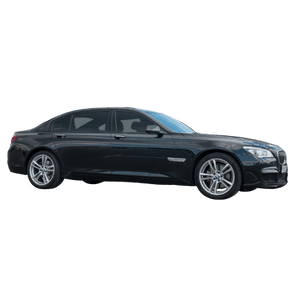
Shipping a car from Vancouver to Edmonton covers 1,159 km and typically takes 2–4 days in carrier transit. This is one of the more established corridors in Western Canada, running through the Fraser Valley and over the Rockies via either the Coquihalla or Rogers Pass, and it schedules more predictably than most long-haul Canadian routes. Below is exactly what determines your routing, your timeline, and your quote.
Route at a Glance
| Distance | 1159 km |
| Estimated Transit Time | 2–4 days |
| Route | Highway 1 east through the Fraser Valley, then either the Coquihalla (Highway 5) north through Kamloops and Jasper on Highway 16, or Highway 1 through Rogers Pass and Highway 93/16 — carriers pick on the day based on conditions. |
Open transport on this 1,159 km lane is $1.20–$1.40/km (about $1,400–$1,600). Enclosed is $2.80–$3.30/km (about $3,250–$3,800).
Shipping a Car from Vancouver to Edmonton
At 1,159 km, this lane sits firmly in "regional" territory rather than the transcontinental hauls that connect the coasts. Carriers running this corridor are typically already moving vehicles between the Lower Mainland and Alberta on a rolling basis, which means open-carrier space on this route is generally easier to slot into than on longer or less-travelled lanes. Transit runs 2 to 4 days door to door, with the spread driven mainly by mountain weather, the pickup window you choose, and how many other vehicles are on the same load. If you're shipping something other than a standard passenger vehicle, or want to compare this corridor against other BC-Alberta options, see car shipping from Vancouver for the wider city picture, or the sibling routes linked further down this page.
The Route
Out of Vancouver, carriers run Highway 1 east through the Fraser Valley — Abbotsford, Chilliwack, Hope — before the road climbs into the mountains. From Hope, there are two viable ways through to Edmonton, and which one a carrier uses is a same-day decision, not something locked in at booking.
The first option is the Coquihalla (Highway 5) north to Kamloops, then Highway 16 east through Jasper. It's the faster of the two, but the Coquihalla summit sits at roughly 1,240 metres, and that elevation makes it the more weather-exposed choice — it closes more readily in a winter storm than the alternative below.
The second option is Highway 1 through Rogers Pass, connecting to Highway 93/16 toward Jasper and on to Edmonton. It's the longer routing in terms of hours, but it exists as a fallback precisely because Rogers Pass is subject to scheduled avalanche-control closures rather than only storm-driven ones — meaning it can be closed for controlled blasting even on a clear day.
Because both routes cross mountain passes, a carrier picking up your vehicle in December or January genuinely cannot promise which highway it will take until the day of the drive — conditions on the Coquihalla summit and at Rogers Pass are checked morning-of, and the driver takes whichever is open and safer. In practice this rarely shifts the overall delivery window by more than a day, since 1,159 km is short enough that a detour of a few extra hours doesn't compound the way it would on a coast-to-coast haul.
Open vs Enclosed Transport
The large majority of vehicles shipped on this corridor move on open carriers, and for a standard daily-driver sedan, SUV, or truck, open transport is entirely appropriate — it's not a compromise, it's simply how most vehicles ship. Enclosed transport exists for a narrower set of cases: classics, exotics, vehicles with very low ground clearance, freshly restored cars where paint or bodywork hasn't fully cured, and anything where the replacement value justifies the extra protection. If your vehicle falls into one of those categories, our enclosed car shipping Canada hub covers what that service includes nationally, and enclosed car shipping on this specific corridor covers Vancouver, Edmonton, and Calgary together.
| Factor | Open Transport | Enclosed Transport |
|---|---|---|
| Weather & road debris exposure | Fully exposed to rain, snow, road salt, and gravel kicked up from other traffic | Fully enclosed trailer shields the vehicle from all weather and debris |
| Vehicles per load | Typically 6–10 vehicles per multi-car carrier | Usually 1–3 vehicles per trailer |
| Availability on this lane | Widely available, frequent departures | Available, but fewer trailers running this route means longer lead time to book |
| Typical vehicles | Daily drivers, commuter cars, trucks, standard SUVs | Classic cars, exotics, low-clearance sports cars, recently restored vehicles, high-value collector cars |
| Best suited to | Most owners moving a vehicle for personal or work relocation | Owners protecting a vehicle's finish or insured value above what open transport risk profile suits |
What Your Quote Depends On
The published per-km band above is a range, not a single number, because the honest answer is that no single number applies across every vehicle and every season — the factors below are what actually move a quote, and in which direction. This is the full list of inputs a dispatcher weighs when pricing a Vancouver–Edmonton booking.
| Factor | Effect on price |
|---|---|
| Distance & distance tier | At 1,159 km this falls into a mid-length regional tier — long enough that the per-km rate is lower than a short urban hop, but short enough that it doesn't benefit from the further per-km discounting that applies on 3,000+ km transcontinental hauls. |
| Open vs enclosed | Enclosed raises the price because a trailer carries far fewer vehicles per trip, so each vehicle absorbs a larger share of the carrier's fixed cost. |
| Vehicle size, weight & ground clearance | Larger and heavier vehicles take up more deck space and reduce how many other vehicles fit on the same load; low-clearance vehicles may need specific ramp or trailer configurations, which narrows which trucks can take the job. |
| Whether it runs, rolls & steers | A non-running vehicle needs a winch-equipped carrier and takes longer to load and unload, which raises cost; a vehicle that doesn't roll or steer at all needs different handling again and should be flagged at booking, not on pickup day. |
| Season & weather | Winter bookings on this route can face mountain-pass delays and reduced carrier availability around storm windows, which tends to push pricing up during peak winter weeks. |
| Flexibility of pickup window | A flexible pickup date lets the carrier slot your vehicle into a truck that's already running this route, which generally lowers the price; a rigid single-day window narrows their options and can raise it. |
| Distance from a main highway | A pickup or delivery address well off Highway 1, the Coquihalla, or Highway 16 may require a smaller local truck or an added detour, which adds cost versus an address directly on the corridor. |
| How established the lane is | Vancouver–Edmonton is a lane carriers already run regularly, which works in the customer's favour compared with quoting a route between two smaller towns that trucks don't normally service. |
For this specific corridor, three of these usually dominate: whether you choose open or enclosed, how flexible your pickup window is, and — only in winter months — the weather-driven mountain-pass factor. Vehicle size and running condition matter, but for a typical passenger car shipped in a normal weather window, they're secondary to those first three.
How Long It Takes, and What Changes That
The 2–4 day figure is carrier transit time, not a straight calculation of driving 1,159 km at highway speed. Federal hours-of-service rules require drivers to rest at set intervals, so the truck isn't moving 24 hours a day. Your vehicle is also usually sharing a load with several others being picked up and dropped off along the way, which adds stops. And the transit clock effectively starts within your agreed pickup window, not the moment you book — if that window is a few days out, the calendar day count reflects that.
On this specific route, the main thing that widens the window is winter weather at the Coquihalla summit or Rogers Pass — a storm closure can hold a truck for the better part of a day before it's cleared to continue, and in a bad week a carrier may reroute entirely between the two options described above. Outside winter, the 2–4 day range is fairly stable because the corridor is direct and heavily travelled.
The single biggest lever a customer has to narrow the window is pickup flexibility. A rigid one-day pickup demand can mean waiting for a truck with an exact matching slot; offering a 2–3 day pickup range usually gets your vehicle onto the next truck already heading this way, which tends to produce faster overall delivery, not slower.
Preparing Your Vehicle for Pickup
A little preparation the day before pickup avoids delays and protects you if a damage claim ever needs to be filed. Work through this list:
| Task | Why it matters |
|---|---|
| Leave about a quarter tank of fuel | Enough for the driver to load and unload the vehicle under its own power, without adding unnecessary weight to the load |
| Remove toll transponders | Prevents the transponder from being billed to tolls it isn't actually travelling under during transit |
| Clear out personal belongings | Cargo inside the vehicle typically isn't covered by the carrier's cargo insurance and adds unaccounted weight |
| Disable the alarm | Prevents a false trigger from delaying loading or annoying other drivers at a multi-stop pickup |
| Photograph existing damage | Dated photos from every angle, taken before the driver arrives, are your baseline reference if a dispute arises later |
| Fold or remove aftermarket spoilers and roof racks | Reduces the risk of contact damage during loading and in transit, particularly on multi-vehicle open carriers |
| Note any starting quirks in writing | A cold-start issue or unusual procedure should be handed to the driver directly, not assumed knowledge |
| Confirm tires hold air and the parking brake releases | Needed for the vehicle to be safely winched, rolled, and positioned on the trailer |
The condition report the driver fills out at pickup — noting existing scratches, dents, and wear — is the document any later claim gets measured against. Walk it with the driver before the vehicle is loaded, and don't sign off on it until you both agree it reflects the vehicle's actual condition. This single step resolves more disputes than anything decided after delivery.
Frequently Asked Questions
How long does it take to ship a car from Vancouver to Edmonton?
Typically 2–4 days for this 1,159 km route. That window is carrier transit, not raw drive time — it accounts for mandated driver rest, the other vehicles being collected and dropped along the way, and the pickup window itself. Winter weather widens it; a flexible pickup date usually narrows it.
What is the cheapest way to ship a car within Canada?
Open transport on a multi-vehicle carrier, booked with a flexible pickup window, on a lane carriers already run regularly. Those three together do most of the work: enclosed trailers carry a fraction of the vehicles per load, a rigid pickup date means a carrier may run with an empty slot, and an established lane is one where the truck is already going. Terminal-to-terminal instead of door-to-door helps where a terminal is genuinely convenient to you.
Which route do carriers take from Vancouver to Edmonton in winter?
Whichever is open and safest that day — usually the Coquihalla and Highway 16 through Jasper, sometimes Rogers Pass instead. Both are mountain routes subject to winter closures and avalanche control, so carriers commit to the routing on the day rather than at booking. It rarely changes the delivery window by more than a day.
Can you ship a car that does not run?
Yes. A non-running vehicle needs a carrier with a winch and takes a loading slot that a driveable car would not, so it has to be arranged deliberately rather than added at the last minute. Tell us at booking whether it rolls, steers and brakes — those three determine what equipment the driver brings, and a vehicle that does none of them needs different handling entirely.
Is my car insured while it is being transported?
Yes. Every vehicle moves under the carrier's cargo insurance for the whole trip. Ask for the certificate and check the per-vehicle limit against what your car is actually worth — that matters most for enclosed loads, which is usually where the higher-value vehicles are. Your own policy generally still covers the vehicle as an owned asset, but not the carrier's handling of it, so the two are not interchangeable.
Can Red Foot Haulers ship my car to or from the United States?
No — Red Foot Haulers ships within Canada only. Bringing a vehicle in from the US involves customs clearance, Registrar of Imported Vehicles (RIV) registration and a federal inspection, all of which sit outside domestic transport. Contact the CBSA or RIV directly for that process.
Other Popular Routes
For the full national picture, visit our car shipping Canada hub. Shipping in the other direction or from a different city pair? See car shipping Vancouver, car shipping Edmonton, or Vancouver to Calgary car shipping for a nearby Alberta corridor.
Moving an RV rather than a car? See RV shipping Vancouver to Edmonton for tow-away, drive-away and flatdeck options on the same route.